
The Keystone Symposia Scientific Advisory Board (SAB) is a visionary group of thought-leaders across academic, industry, government, publishing and venture capital sectors whose role with our organization is to cultivate our cutting-edge conference portfolio. Their scientific prowess is unmatched, spanning basic to clinical research expertise in fields ranging from structural biology to immunology, infectious disease, cancer research and more. While vital to Keystone Symposia, their leadership and innovation extend far beyond the science itself. (See all current SAB members)
These inspiring scientists are also leaders in the scientific community, often leading the charge to fight for science at a time when it is most critical. Their efforts in science advocacy are ensuring a future for science, and scientists, locally, nationally and around the world. Here, we showcase Dr. Shruti Naik, Associate Professor at Ichan School of Medicine at Mt. Sinai, who has been a key member of our SAB since 2021 (as well as a conference organizer and frequent speaker). She is not just fighting for science funding, but is working to entirely reshape the funding ecosystem in her home state of New York.
Along with a group of like-minded scientific peers, Dr. Naik rallied the world-renowned academic and medical centers in the area to band together to propose an innovative idea to the state government: an entirely new institute akin to a state-operated NIH. This is not just a demand for a temporary bailout, but a long-term plan for state funding and prioritization of scientific research-- a very outside-the-box solution to current challenges. The goal – to empower New York state to invest in biomedical research, ultimately safeguarding the future of its scientific workforce, prowess as a research powerhouse, and economic impacts thereof, independent of national politics. In just six months, institutions and scientists across New York, working through the Associated Medical Schools of New York (AMSNY), delivered a proposal to the Governor’s office that is ready to make an immediate impact.
We can’t wait around for Superman to come save us. We must step out of the lab, and fight for ourselves—we must take action to ensure a future for science, and the scientists yet to come," says Dr. Naik.
Here, she provides a glimpse into that effort, and some guidance for those who are inspired to launch similar initiatives in their own home states.
♦
Dr. Shruti Naik on Re-envisioning the Funding Ecosystem.jpeg?width=3840&height=1680&name=naik-shruti%20(1).jpeg)
Our effort began with a small group of colleagues in New York- Dusan Bogunovic, Miriam Merad, Carl Nathan, Tony Ferrante, Brian Brown, and me. We came from different institutions, scientific backgrounds and career stages, but we had reached the same conclusion: while national advocacy was essential, states were an underutilized lever.
New York operates on an annual budget of roughly $250B, yet invests less than half a percent of it into scientific research. This is despite being the nation’s second-largest recipient of NIH funding, bringing in about $3.6B each year and generating roughly $8.5B in economic impact. State investment has focused mainly on brick-and-mortar projects for the biotech economy, incubators, new buildings, cell therapy centers, while leaving the upstream engine of discovery science to the federal government. Meanwhile, states like California and Texas built robust, state-funded research enterprises and are now capturing jobs, innovation, and economic growth; key issues lawmakers focus on.
Before approaching lawmakers in Albany, we needed support from our own institutions. That meant convincing deans and government affairs offices that this was not a side project but a strategic opportunity.
Universities manage countless priorities, capital projects, hospital finances, workforce constraints, community responsibilities, and a vague request to “support science” would never compete. So we prepared. We studied how California and Texas built their programs. We met with experts in finance. We connected with New York groups that had successfully secured state funding, including the teams behind Empire AI, the state’s environmental green bond, and an earlier, now defunded, NYSTEM initiative.
We asked fundamental questions and sought answers to guide our strategy:

- Would this be a legislative initiative or a proposal to the governor?
- Where does the concept fit into the state government structure?
- How could it be funded?
- What do we need to know about the funding process?
- When is it too late to introduce an idea?
Those conversations were humbling but essential.
Shaping a Unified Vision
Armed with this knowledge, we began approaching institutional leaders-- our deans, CEOs and Presidents-- with a concrete vision and a specific ask. The vision was a statewide biomedical research institute—eventually named the Empire Biomedical Research Institute (EBRI)—designed to support early-stage biomedical science, innovation, infrastructure, and training. The ask was for institutional partnership in advocating for the proposal. We emphasized that EBRI would not compete with existing institutional priorities; rather, we argued that stable research funding would strengthen hospitals, attract and retain scientific talent, grow the biotech landscape and keep New York (and our institutions) globally competitive.
Institutional buy-in was only the first step. State leaders do not want a dozen competing pitches from a dozen institutions. They want a unified plan.

The Associated Medical Schools of New York (AMSNY), which already convenes medical schools statewide, became the natural venue for building that consensus. We worked with AMSNY to bring representatives from every medical school to the table to help mold a cohesive strategy, drawing from what we had learned in our research and from models in other states. Within this working group, EBRI began to take shape as a grant-making body supporting investigator-driven research, shared technology centers, and workforce development. Equally important, it allowed all institutions in the state to align behind a single statewide goal rather than arriving at the state capitol with conflicting or competing proposals.
The process was not linear. We wrestled with messaging: Should we emphasize jobs and economic competitiveness, or patients and long-term health stability? Eventually we realized we needed both, tailored to different audiences. There was never going to be a perfectly tidy strategy; our job was to bring a credible, well-structured vision forward and let state experts help adapt it to the realities of the budget process.
Giving a Voice to the Scientific Community
Even as the EBRI framework solidified, one problem remained. Most discussions were happening among institutional leaders, AMSNY, and a small group of scientists and government relations professionals. The broader scientific workforce, students, postdocs, staff scientists, and clinician-researchers, was largely absent. That gap led us to build NY-CURES (New York Science Coalition, INC).
NY-CURES aims to organize scientists, clinicians, trainees, research staff, patients, and community members into a visible, identifiable constituency—one that state leaders recognize and must account for. Each year, lawmakers make decisions that stabilize or destabilize the research ecosystem, often without hearing from the very people whose livelihoods and health depend on those choices.
NY-CURES provides a structure for those individuals to sign up, learn the essentials of the state budget, connect with their legislative districts, and show up consistently for meetings, hearings, and campus visits. In doing so, it transforms a dispersed community into a constituency that speaks with clarity, credibility, and collective presence.
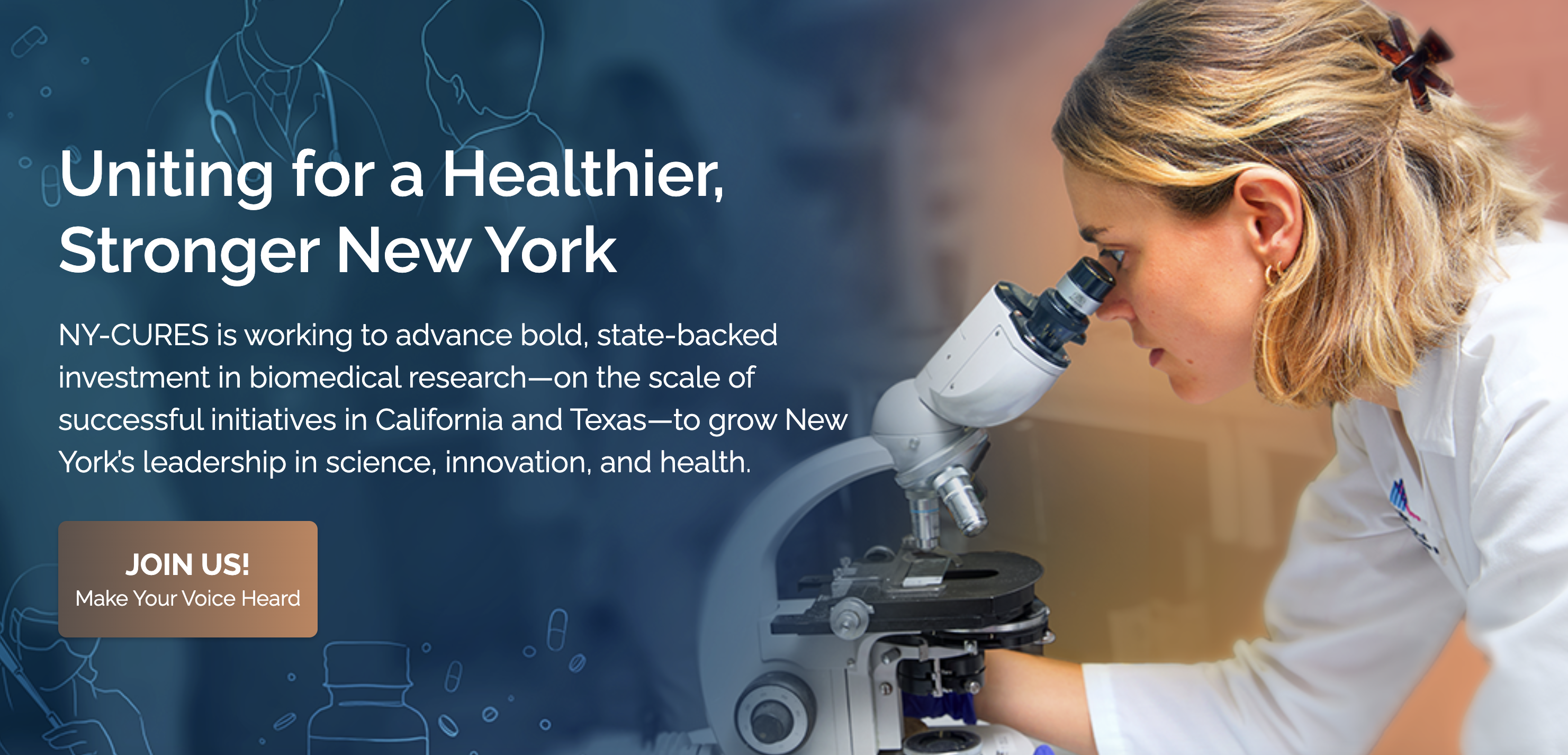
Today, EBRI is formally under consideration in the Governor’s office as part of the state budget process. AMSNY is coordinating institutional support, and NY-CURES is mobilizing the biomedical workforce in preparation for a broad educational and advocacy campaign. The work is far from over. We must secure EBRI’s inclusion in the Executive Budget, navigate legislative negotiations, finalize its structure, and ensure NY-CURES becomes a lasting organization rather than a reaction to crisis. But we have moved from diffuse anxiety to a concrete proposal supported by a growing statewide coalition. If we don’t secure the Governor Hochul's support in January, we’ll try again next year and keep trying until we succeed.
Join the Fight!
For scientists in other states, the details will differ, but the roadmap is transferable:
- Gather a small group committed to action;
- Study how other states built research institutes;
- Secure institutional alignment at all levels from government relations, legal and institutional leadership;
- Identify a statewide institutional convening body like AMNSY; If one does not exist ask your Deans to convene with other institutional leaders for consensus building
- Learn the mechanics of the budget and current state priorities;
- Expect confusion and setbacks;
- Keep going!
Every state can advocate its own version of EBRI and scientists can create their own statewide “CURES,” to reshape how research is valued and funded.
Underlying all of this is a cultural shift. Our funding ecosystem is shaped each year by lawmakers who rarely hear from us and supported by taxpayers who often know little about what we do. That must change, and it must change now.
The scientific enterprise cannot endure our silence, nor can it rely on others to protect what we know is essential. If taxpayers fund our research, we owe them our voice, our clarity, and our presence in the rooms where decisions are made. The health of our research ecosystem depends on whether we remain spectators or become stewards. This moment demands that we organize, educate, and advocate— not as isolated laboratories, but as a unified community committed to safeguarding discovery itself.
The path forward is ours to build, together, not just for today but for the generations of scientists that follow.
-Dr. Shruti Naik

Learn more about Keystone Symposia & Science Advocacy in the following Keypoint Blog Posts:
♦ Science Advocacy for Biomedical Researchers: Make Your Voice Heard!
♦ "Why Should I Trust You?" A Podcast Partnership to Rebuild Public Trust in Science
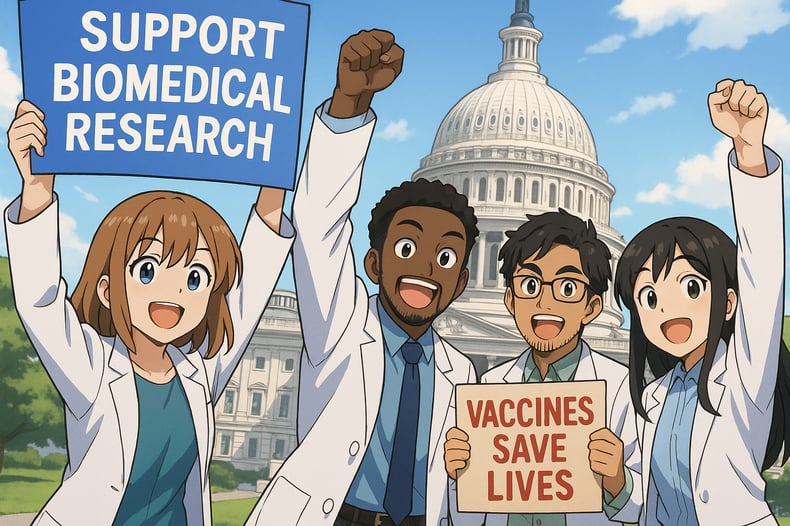
♦ Keystone Symposia in Action: Science Advocacy at the Vaccinology Meeting in Washington D.C.

Return to the December 2025 Keypoint Newsletter



newsletter
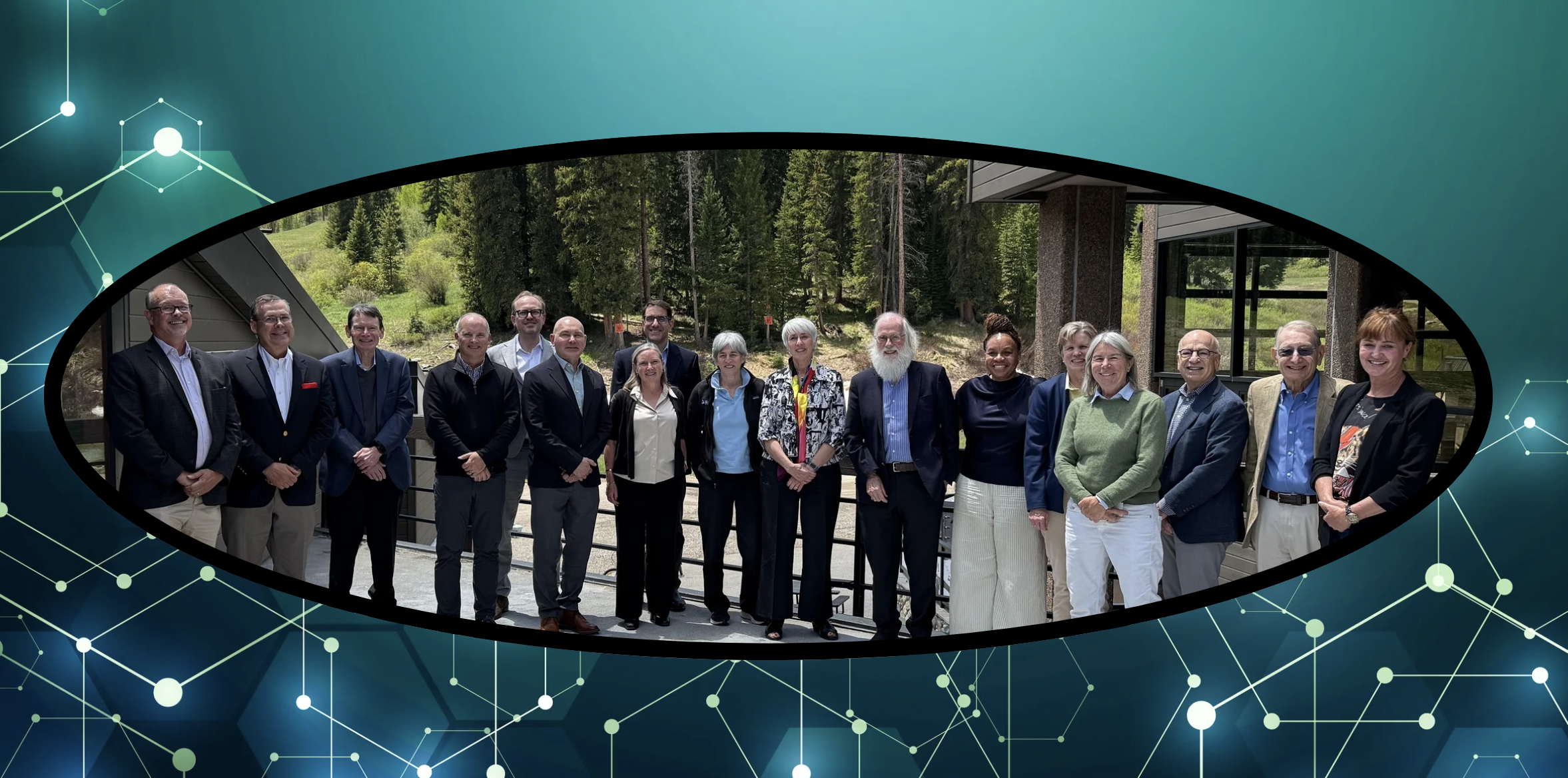
Catalyzing Nobel-Caliber Science: Celebrating the Great Minds Behind Keystone Symposia
By Emma Wabel
As we launch our upcoming meeting season, we reflect on those who contribute to...
virtual meetings
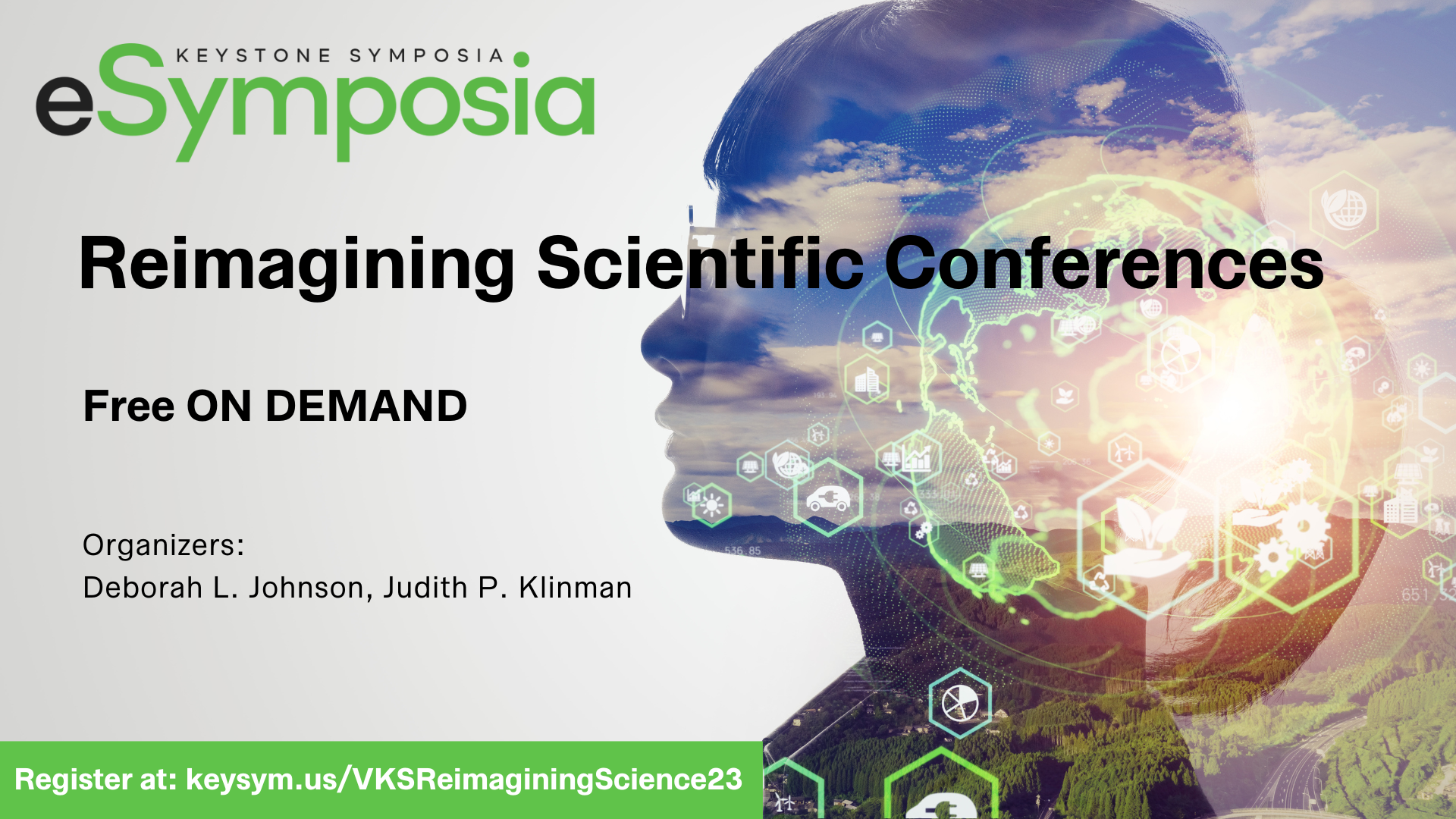
Reimagining Scientific Conferences: pandemic lessons in reducing carbon footprint, engaging new audiences & rethinking strategies for scientific exchange, now on Demand
Scientific conferences have long been the medium of scientific exchange, inspiration and...
.png)